What Is Improv Comedy? (And How Is It Different from Stand-Up?)

Improv comedy (short for improvisational comedy) is a form of live theatre where performers create scenes, characters, and dialogue entirely on the spot, with zero script, zero rehearsed material, and zero safety net. Stand-up comedy, by contrast, is a solo art form where a comedian delivers a pre-written, rehearsed set of jokes and stories to an audience. The core difference comes down to one thing: preparation. A stand-up comedian walks on stage knowing exactly what they will say. An improv performer walks on stage knowing absolutely nothing, and that is precisely what makes it electric.
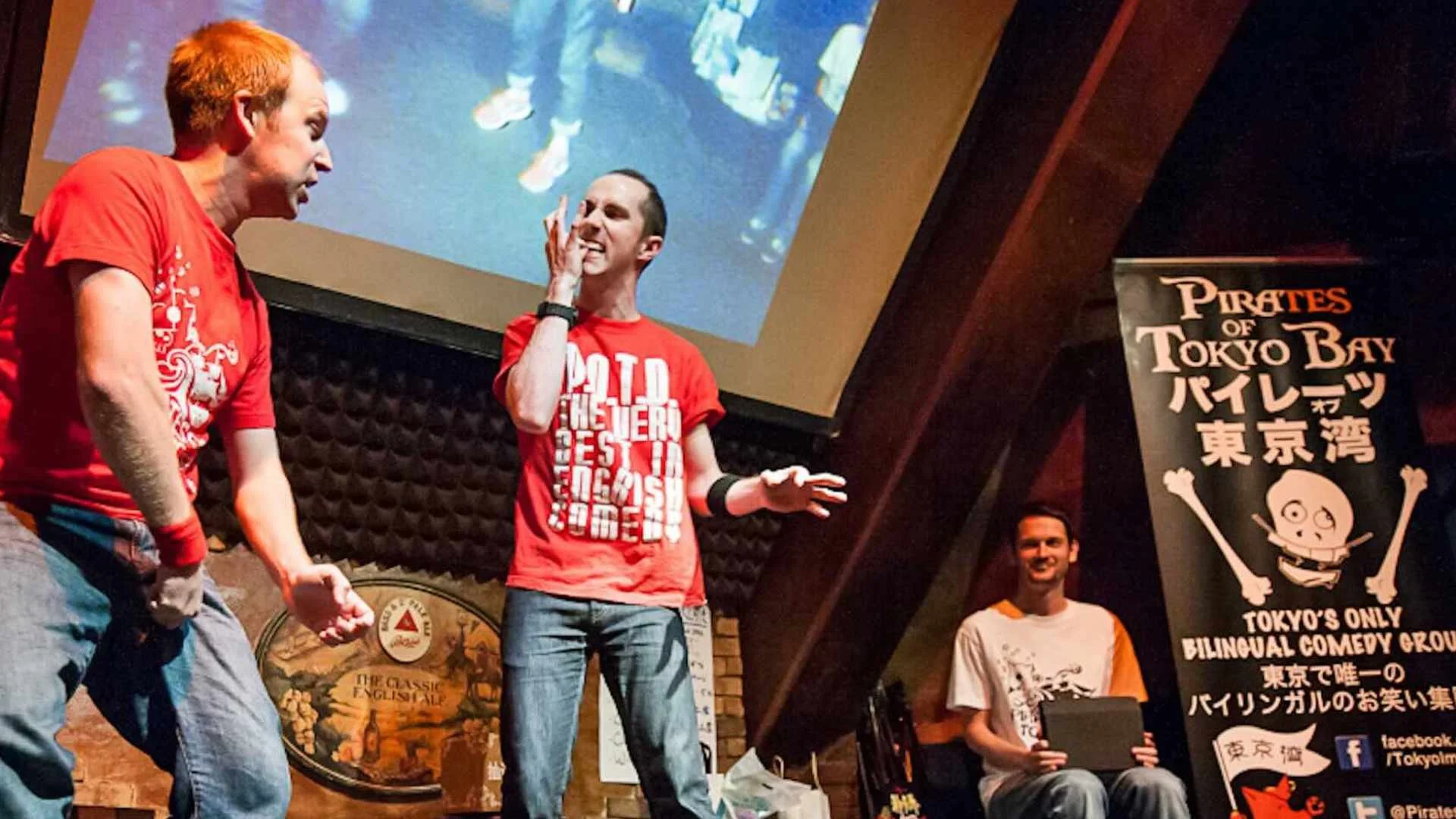
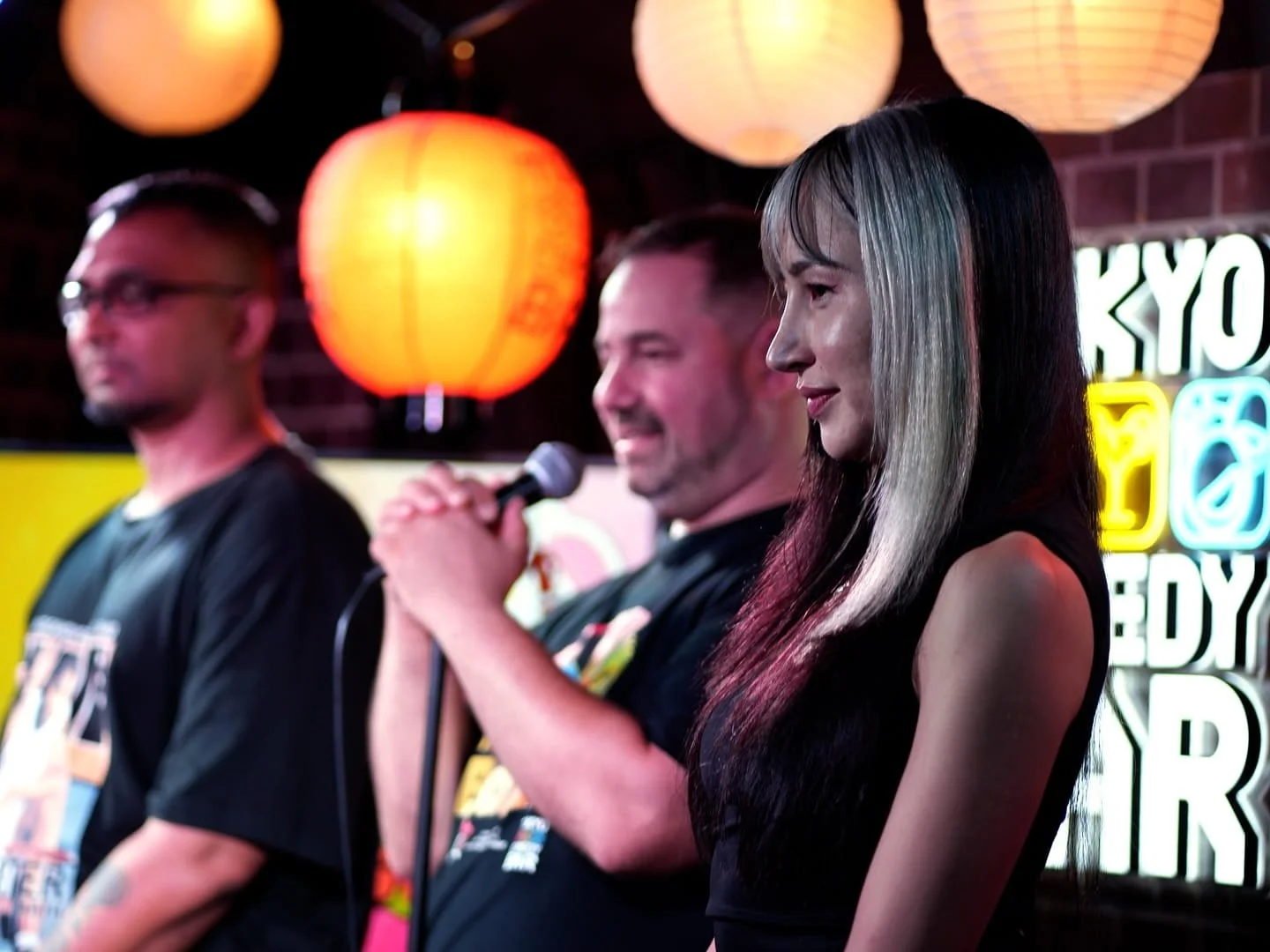
`Two improv comedians creating a scene from an audience suggestion at a Pirates of Tokyo Bay show in Ebisu

Quick Facts: Improv vs Stand-Up Comedy

  • Improv = unscripted, ensemble-based, audience-driven. Stand-up = scripted, solo, comedian-driven.

  • Improv performers build scenes from audience suggestions in real time.

  • Stand-up comedians write and refine their material over weeks or months before performing it.

  • Both are forms of live comedy, but the audience experience is fundamentally different.

  • Improv shows are interactive, the audience shapes the show. Stand-up shows are observational, the audience watches the show.

  • Famous improv training grounds include The Second City (Chicago), UCB (New York), and iO Theater (Chicago).

How Does an Improv Comedy Show Actually Work?
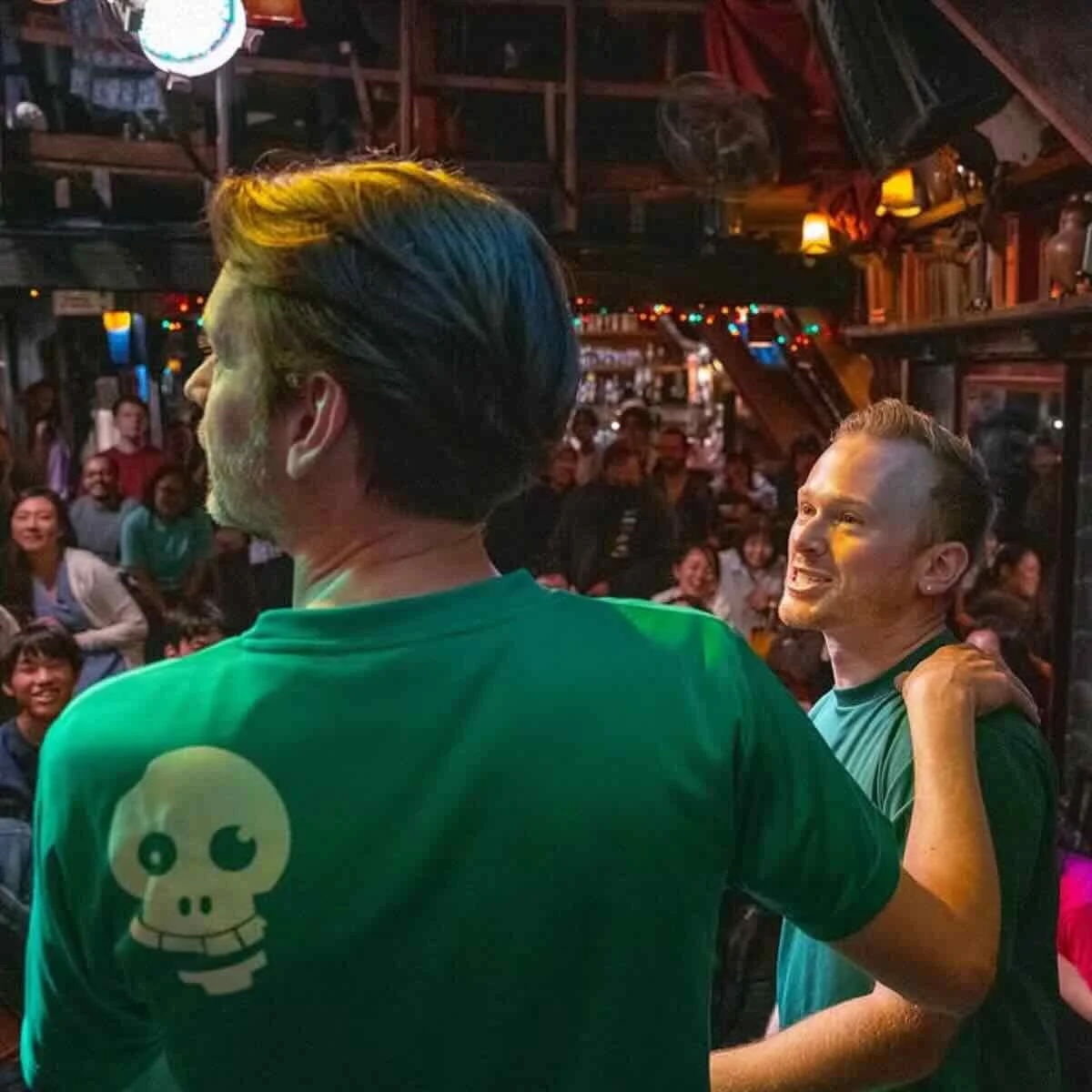
Improv comedy stage view from performers' perspective at What the Dickens Ebisu Tokyo 恵比寿 即興コメディ ステージ パイレーツ・オブ・東京湾 Pirates of Tokyo Bay

If you have never seen an improv show before, here is what to expect. A group of performers, usually four to eight, takes the stage together. A host asks the audience for a suggestion: a word, a location, a relationship, an emotion. From that single spark, the cast builds an entire scene from scratch. There is no director calling the shots. No one knows what will happen next. The performers listen to each other, react in the moment, and follow wherever the scene takes them.

Short-form improv (the style performed by groups like Pirates of Tokyo Bay in Tokyo) uses quick games and exercises with specific rules, think of it like the TV show Whose Line Is It Anyway?. Each game lasts just a few minutes, and the format keeps the energy high and the laughs constant.

Long-form improv builds extended narratives from a single audience suggestion, sometimes creating entire one-act plays or musicals on the spot. Companies like The Second City in Chicago pioneered this approach, and groups such as Impro Japan continue to push its boundaries in Asia.

Both formats share one principle that separates improv from every other comedy form: "Yes, And." This foundational rule means that performers accept whatever their scene partner offers ("Yes") and then build on it ("And"). It is the engine that keeps improv scenes moving forward, and it is also the reason improv training has become a powerful tool for corporate team-building and communication workshops around the world.

Stand-Up Comedy: A Different Beast

Stand-up comedy is a solo craft. A comedian writes jokes, tests them at open mics, edits and rearranges the material, then performs a polished set in front of a live audience. The best stand-up comedians, from Eddie Murphy to Hannah Gadsby, make it look effortless, but the reality is that a single five-minute set can take months to perfect.

The audience's role in stand-up is reactive: you laugh, you clap, you groan. But you do not shape the content. The comedian has a plan, and they execute it. This makes stand-up a showcase of writing skill and stage presence, while improv is a showcase of spontaneity and ensemble chemistry.

In Tokyo, the stand-up scene has grown rapidly. Venues like Tokyo Comedy Bar in Shibuya offer nightly shows in English and Japanese, giving audiences a chance to experience the solo-performance format. Meanwhile, groups like The Empty Stage (produced by Yoshimoto Kogyo) bring the improv format to Japanese-speaking audiences, using Second City methodology and featuring well-known comedians (芸人) from the Japanese entertainment world.
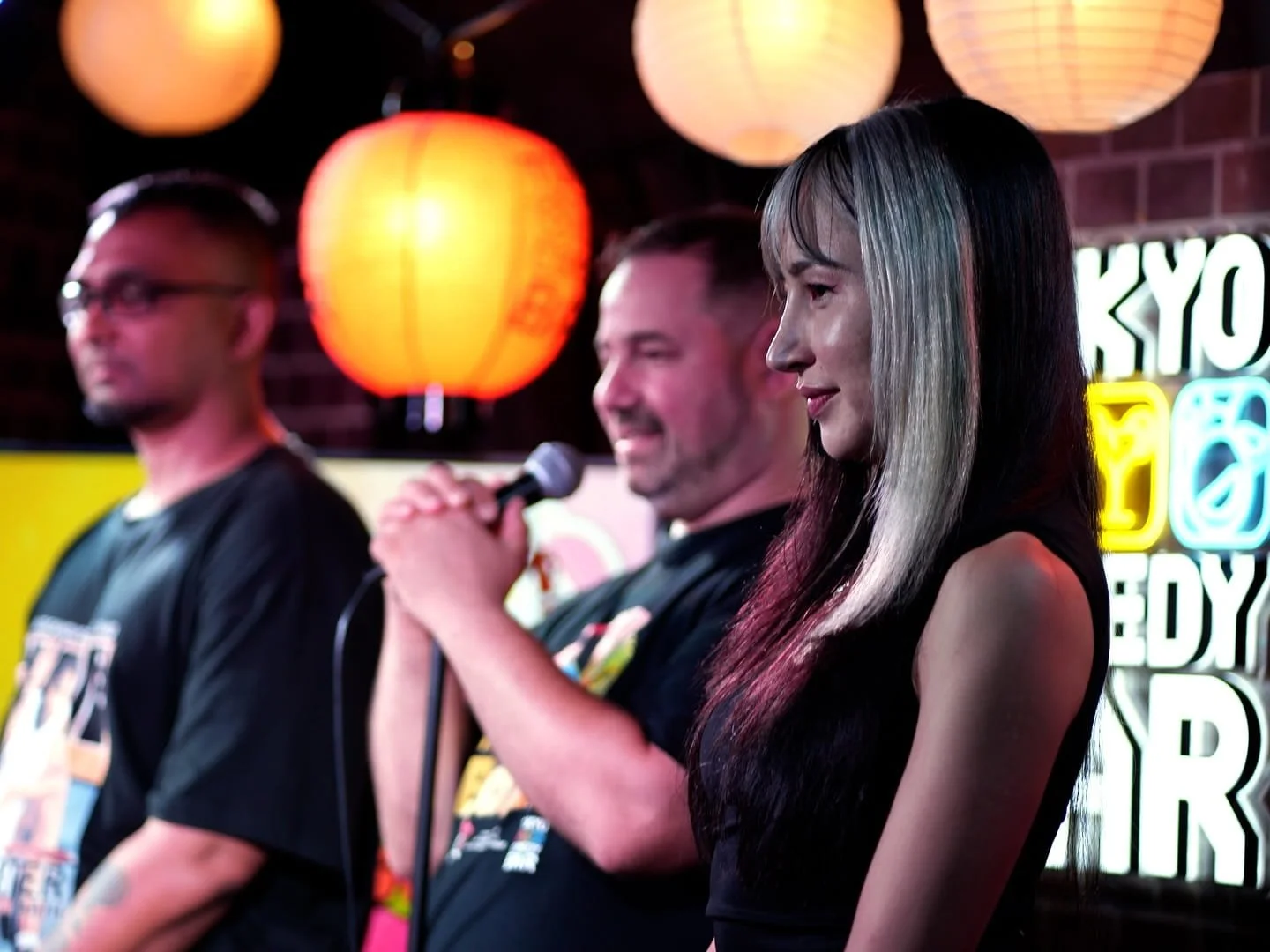
Improv performers interacting with the audience during a live English and Japanese comedy show in Tokyo

So Which One Should You See?

Both. Seriously. They are complementary experiences, not competitors. But if you are trying to decide between the two for a date night, a group outing, or a unique Tokyo itinerary stop, here is a simple guide:

Choose stand-up if you love observational humor, storytelling, and watching one person command a room.

Choose improv if you want to be part of the show, you enjoy unpredictability, and you want an experience that could never be repeated.

Choose Pirates of Tokyo Bay if you want improv comedy performed in English and Japanese simultaneously. Where you do not need to speak both languages to have a great time. The cast uses physical comedy, gibberish, and pantomime to bridge any language gap. Whether you only speak English, only speak Japanese, or are somewhere in between, you will follow the fun and laugh out loud. Every ticket includes your 1st drink free, and the show takes place at What the Dickens!, an authentic British pub, just a 3-minute walk from the station and 1 stop from Shibuya.

Where to See Live Comedy in Tokyo

Tokyo's live comedy scene is one of the most diverse in Asia. Here are some options. For a full guide to live comedy in Tokyo, see our 2026 directory.

Improv Comedy (即興コメディ):

  • Pirates of Tokyo Bay: English and Japanese improv, monthly on Sundays at What the Dickens! in Ebisu. Tickets: ¥2,500 (1 drink included). → monthly comedy shows

  • The Empty Stage: Japanese-language improv produced by Yoshimoto Kogyo, featuring professional comedians performing Second City-style short-form games.

  • Impro Japan: Japanese-language long-form improv and musical improv, with workshops and public shows.

Stand-Up Comedy (スタンドアップコメディ):

  • Tokyo Comedy Bar: English and Japanese stand-up, nightly in Shibuya. Craft beer on tap.

Whether you are a tourist planning your Tokyo itinerary, a local looking for a fun night out, or an expat searching for something in English, live comedy is one of the best things to do in Tokyo. Still want to know more, check out our complete guide to improv comedy in Tokyo.


Whichever you choose, it's sure to be a more exciting and memorable night than your usual karaoke or izakaya experience. Tokyo's comedy scene is world-class. Be sure to check it out!

View the performance schedule for Pirates of Tokyo Bay

Want to get know some of the members? Meet Jacqueline, our resident scientist and performer.
Looking to study improv, check out our newly re-launched Pirates University.
即興コメディ(インプロ)とは?スタンドアップコメディとの違いをわかりやすく解説

即興コメディ(インプロビゼーション、通称インプロ)とは、台本も打ち合わせも一切なしで、演者がその場でシーンやキャラクター、セリフをゼロから作り上げるライブエンターテインメントです。一方、スタンドアップコメディは、コメディアンが事前に書いて練り上げたネタを1人でステージ上で披露するソロパフォーマンスです。両者の最大の違いは「準備」にあります。スタンドアップコメディアンは何を話すか決めてステージに立ちます。即興コメディの演者は何も決めずにステージに立ちます。だからこそ、2つとして同じショーが生まれることはありません。

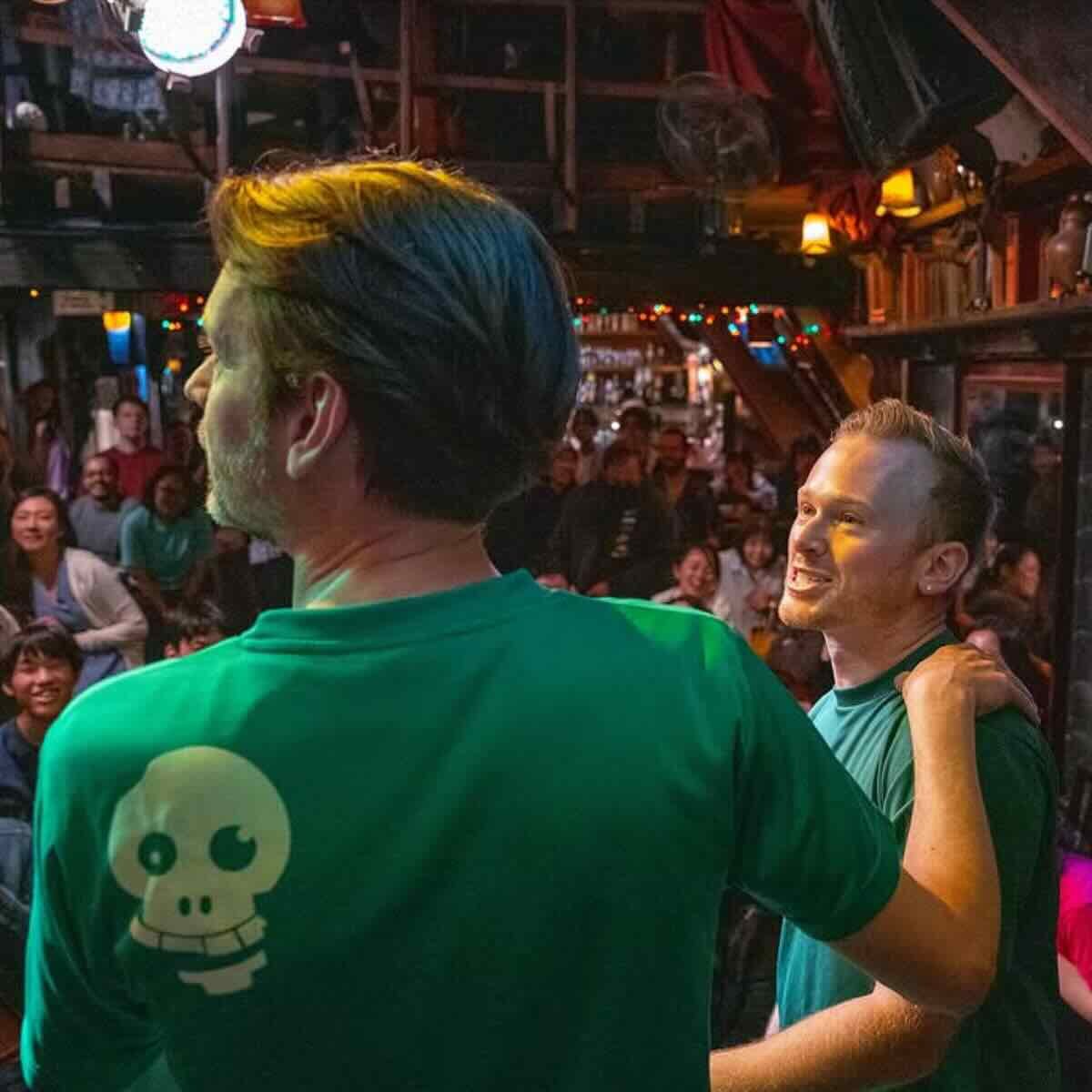
恵比寿のパイレーツ・オブ・東京湾ショーで観客のお題から即興シーンを作る2人のパフォーマー

クイックファクト:即興コメディ vs スタンドアップコメディ

  • 即興コメディ(インプロ) = 台本なし・チームで演じる・観客参加型。スタンドアップコメディ = 台本あり・1人で演じる・コメディアン主導。

  • インプロでは、観客からもらった「お題」をもとにリアルタイムでシーンを作ります。

  • スタンドアップコメディアンは、数週間〜数ヶ月かけてネタを書き、磨いてから本番に臨みます。

  • どちらもお笑いライブですが、観客の体験はまったく異なります。

  • インプロは参加型——観客がショーを動かします。スタンドアップは鑑賞型——観客はショーを観ます。

  • 世界的に有名なインプロの拠点には、セカンドシティ(The Second City)(シカゴ)、UCB(ニューヨーク)、iOシアター(シカゴ)などがあります。

即興コメディショーって、実際どんな感じ?

恵比寿 即興コメディ ステージ パイレーツ・オブ・東京湾 Pirates of Tokyo Bay

初めてインプロを観る方のために、当日の流れを説明します。まず、4〜8人の演者がステージに上がります。司会者が観客にお題を求めます。「場所」「関係性」「感情」「ひとつの単語」など、なんでもOK。その1つのキーワードから、キャストが即座にシーンを作り上げます。演出家はいません。次に何が起こるかは誰にもわかりません。演者同士がお互いの言葉に耳を傾け、瞬時に反応し、シーンが向かう先へ全力で飛び込んでいきます。

ショートフォーム(短編)インプロは、ルールが設定されたゲーム形式で進行し、1つのゲームは数分程度。テレビ番組で言えば海外の『Whose Line Is It Anyway?』に近いスタイルです。東京で活動するパイレーツ・オブ・東京湾はこのショートフォームを採用しており、テンポの速い展開で笑いが絶えません。

ロングフォーム(長編)インプロは、1つのお題から長い物語や即興ミュージカルを作り上げるスタイルです。シカゴのセカンドシティがこの手法を確立し、日本ではインプロジャパンが即興ミュージカルや長編ドラマを展開しています。

どちらの形式にも共通する大原則が「Yes, And(イエス・アンド)」です。相手のアイデアを否定せず受け入れ(Yes)、自分のアイデアを加える(And)。このルールがあるからこそ、即興のシーンは前に進みます。そしてこの考え方が、近年企業研修チームビルディングの場でも注目されている理由です。吉本興業のプロデュースによる**エンプティ・ステージ(THE EMPTY STAGE)**は、セカンドシティのメソッドを取り入れた即興コントショーを展開しており、芸人だけでなく一般企業向けのインプロワークショップも開催しています。

スタンドアップコメディ:まったく別の芸術

スタンドアップコメディは、コメディアン1人の力で成り立つ芸術です。ネタを書き、オープンマイクでテストし、編集・並び替えを繰り返し、完成度の高いセットを観客の前で披露します。5分間のネタを完成させるのに数ヶ月かかることも珍しくありません。

観客の役割は「リアクション」です。笑う、拍手する、うなる。しかし、ショーの内容を変えることはできません。コメディアンには計画があり、それを実行します。スタンドアップは文章力ステージ上の存在感が問われる世界。インプロは瞬発力チームワークが問われる世界です。

東京のスタンドアップシーンも急成長中です。渋谷の東京コメディバー(Tokyo Comedy Bar)では、毎晩英語と日本語のスタンドアップコメディを上演しており、クラフトビールを飲みながらソロパフォーマンスを楽しむことができます。

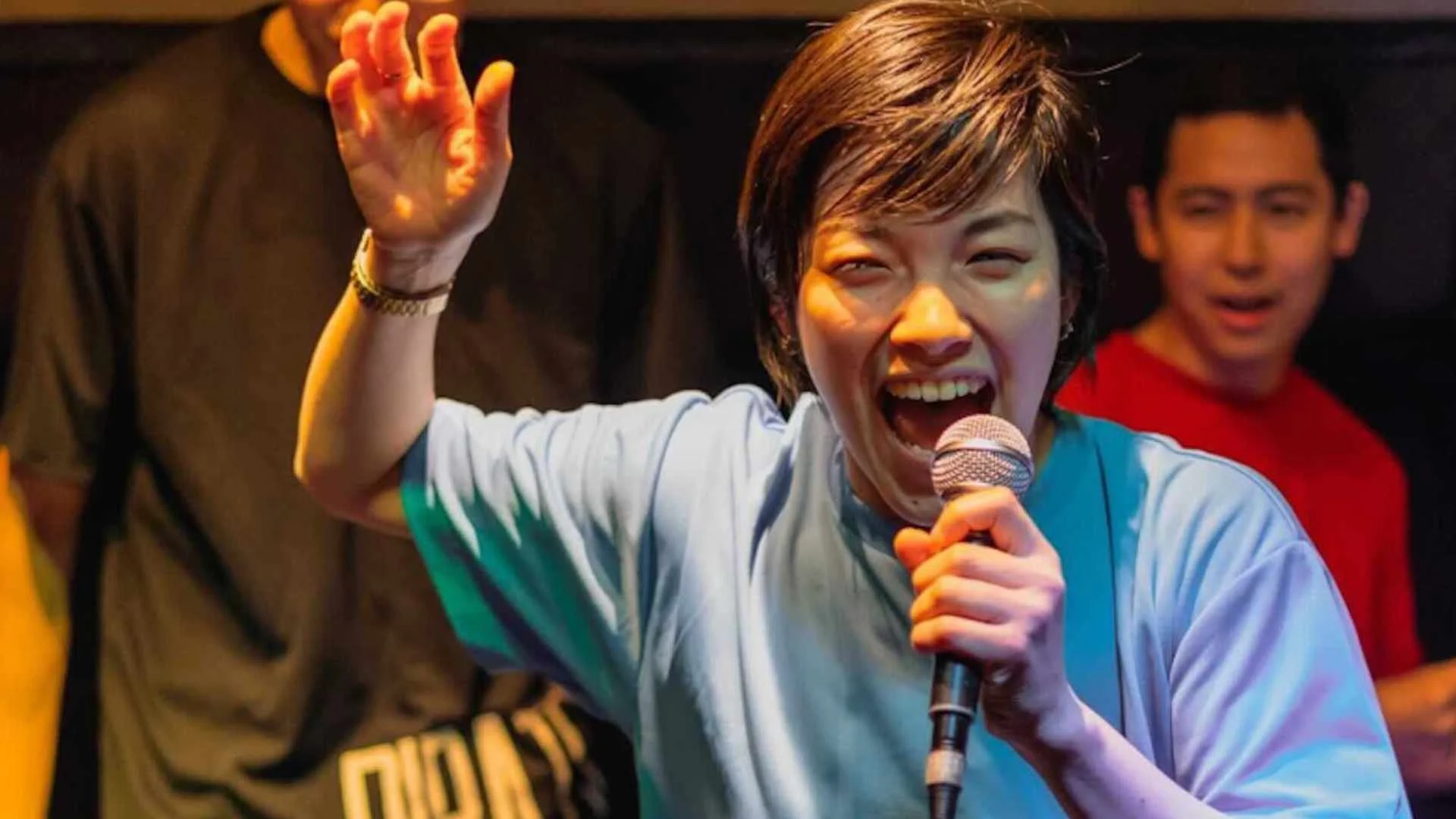
東京の日本語と英語の即興コメディライブで観客とやり取りするパフォーマーたち

結局、どっちを観に行けばいい?

どちらも観てください。本気で言っています。2つの体験はライバルではなく、補い合う関係です。ただ、デートグループのお出かけ東京観光の予定で迷っている方のために、簡単なガイドをお伝えします。

スタンドアップがおすすめな人: 1人のコメディアンの話術に引き込まれたい。じっくり観賞したい。

インプロがおすすめな人: 自分もショーの一部になりたい。予測不能な展開にワクワクしたい。二度と再現できない体験がしたい。

パイレーツ・オブ・東京湾がおすすめな人: 日本語と英語で楽しめる即興コメディを体験したい方。英語がわからなくても大丈夫です。キャストはジェスチャーデタラメ語(ギブリッシュ)パントマイムを駆使するので、日本語だけ、英語だけの方でも直感的に笑えます。チケットは1ドリンク付で、会場は恵比寿のブリティッシュパブ「What the Dickens!」——恵比寿駅から徒歩3分、渋谷からたった1駅です。東京で面白い体験を探しているなら、ライブコメディは最高の選択肢です。

東京でライブコメディを観られる場所

東京のライブコメディシーンはアジアでも屈指の多様さを誇ります。

即興コメディ(インプロ):

  • パイレーツ・オブ・東京湾 — 日本語と英語の即興コメディ。恵比寿のWhat the Dickens!にて毎月日曜日に開催。チケット ¥2,500(1ドリンク付)。→ 月例コメディショー

  • エンプティ・ステージ(THE EMPTY STAGE) — 吉本興業プロデュースの日本語即興コントショー。セカンドシティのメソッドを活用。

  • インプロジャパン — 日本語の長編インプロ・即興ミュージカル。ワークショップや公演を実施。

スタンドアップコメディ:

  • 東京コメディバー(Tokyo Comedy Bar) — 渋谷にて英語と日本語のスタンドアップを毎晩上演。クラフトビールも充実。

観光で東京を訪れている方も、地元で面白い体験を探している方も、英語のイベントを探している方も——ライブコメディは東京で最高の夜の過ごし方のひとつです。即興コメディとは(詳しい解説)

メンバーの素顔をもっと知りたい方はこちら。科学者でありパフォーマーでもあるジャックリーン・テイのインタビューをぜひご覧ください。インプロを学びたい方は、再始動したPirates Universityもチェック!

👉 チケット購入 👉 公演スケジュール

東京でインプロを始めよう!初心者歓迎の即興コメディクラスが再開

パイレーツ・オブ・東京湾のインプロクラス(通称「インプロ・ユニバーシティ」)が再開します。レベル1〜3の3段階で、初心者から舞台デビューまでステップアップできる即興コメディのクラスです。日本語と英語で開講し、演技やコメディの経験は一切不要。「やってみたい」という気持ちだけで参加できます。 


なぜ今、インプロなのか?

「大人の習い事」を探している方、仕事帰りや週末にリフレッシュしたい方——インプロ(即興コメディ)は、今もっとも注目される体験型のコミュニケーショントレーニングです。

インプロは、台本なしでシーンを作り上げる即興演劇。「正解」がないから失敗もない。相手の話を聴き、受け入れ、一緒にストーリーを紡いでいく——この「イエス・アンド」の精神が、コミュニケーション能力を劇的に向上させます。

社会人にとって、インプロで鍛えるスキルは実践的です。会議での発言力、プレゼンテーション、初対面の会話、チームワーク——すべてが変わります。ある受講生は「インプロクラスが、キャリアと無関係なのに一番キャリアに役立った」と語ってくれました。

楽しみながらスキルが身につく。新しい仲間ができる。自分の殻を破れる。これが、社会人の習い事としてインプロが選ばれる理由です。

3つのレベルで、初心者からステージへ

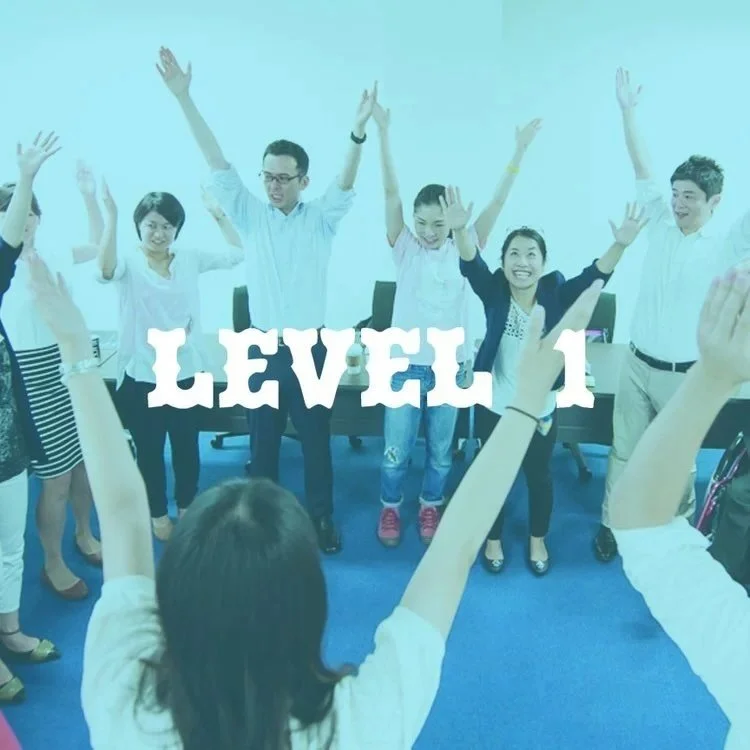
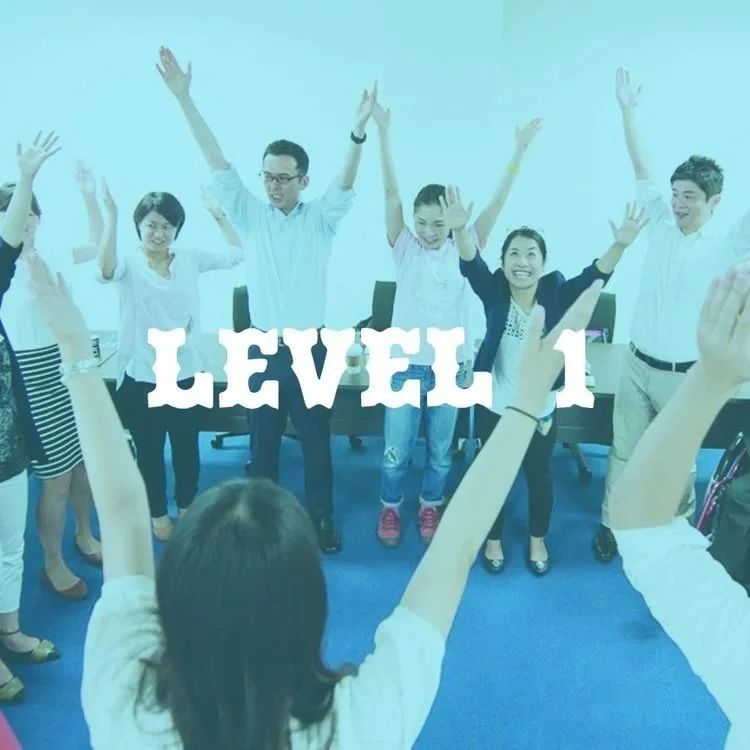
Beginner improv students celebrating with hands raised after Level 1 training 即興コメディ 初級トレーニング 東京 Pirates of Tokyo Bay

レベル1:インプロの基礎

即興コメディの入門クラス。「イエス・アンド」の基本から、シーンの作り方、パートナーとの信頼関係の築き方まで、楽しみながら学べる全5回のコースです。経験は一切不要。必要なのは、楽しむ気持ちだけ!

料金:¥25,000 / 全5回(週1回・各2時間)


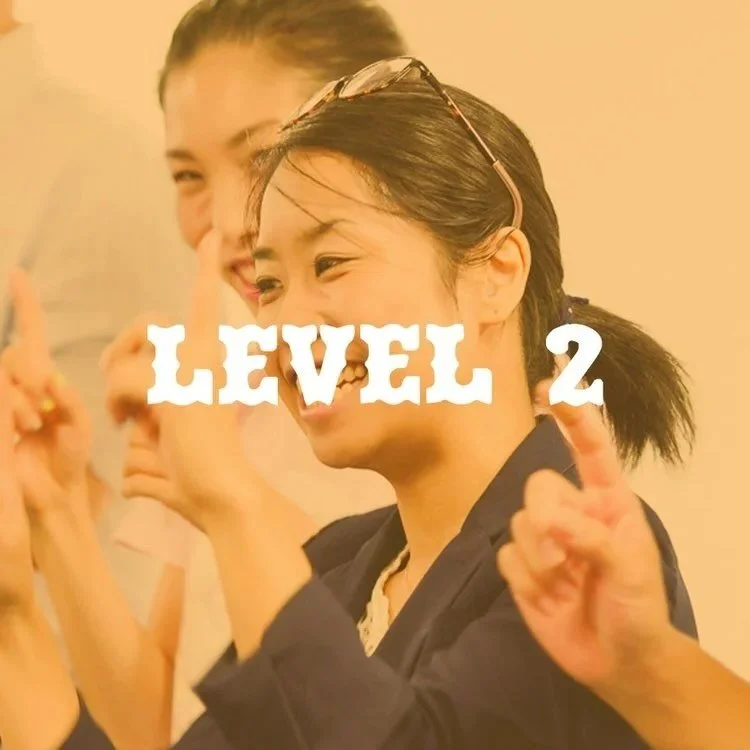
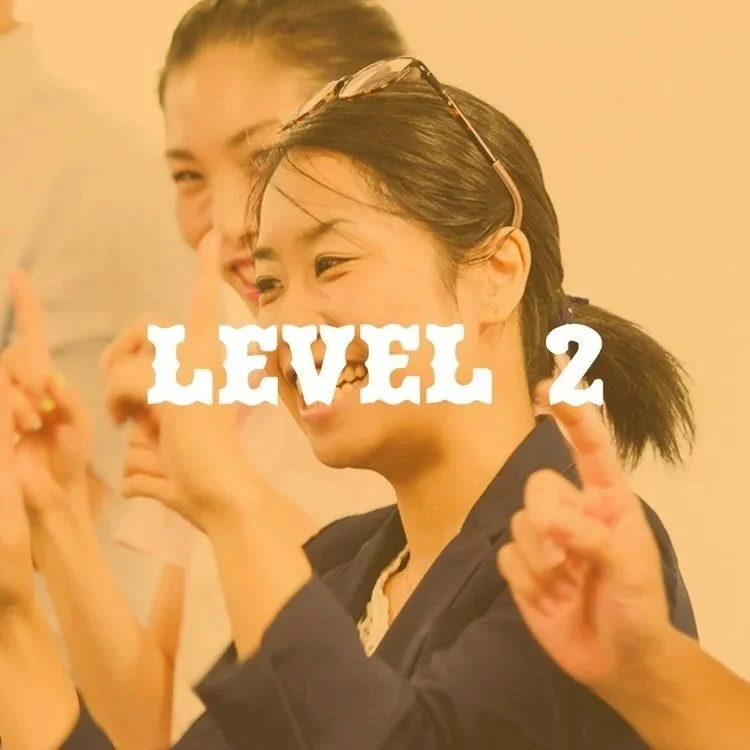
Intermediate improv student smiling during Level 2 workshop 即興コメディ 中級ワークショップ 東京 Pirates of Tokyo Bay

レベル2:シーンの技術

レベル1で学んだ基礎の上に、シーンをより深く、より面白くするための技術を積み上げます。パターンの発見と展開、キャラクターの動機づけ、そしてインスピレーションの見つけ方を学びます。レベル1修了者が対象です。 

料金:¥25,000 / 全5回(週1回・各2時間)


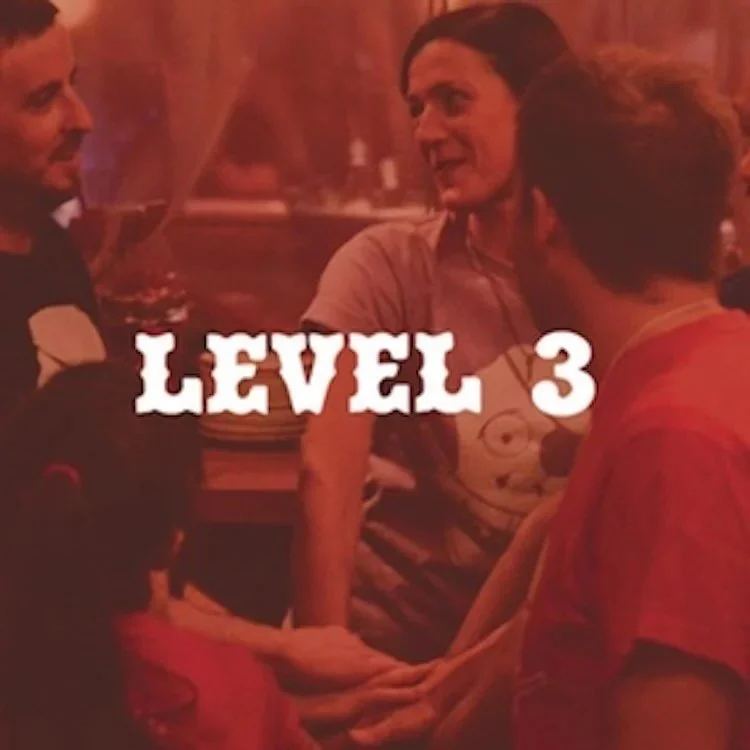
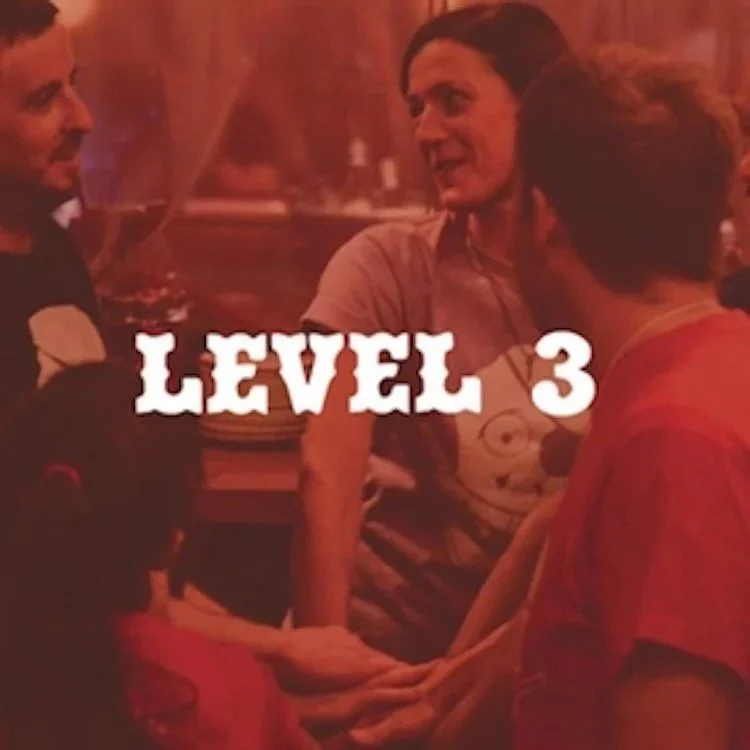
Advanced improv students putting hands together before their student show Level 3 即興コメディ 上級 生徒ショー 東京 Pirates of Tokyo Bay

レベル3:上級キャラクター&卒業公演

最終レベル。高度なキャラクターワーク、感情表現、ステージクラフトを学び、クラスメイトと共に東京でライブ公演を行います。パイレーツのステージと同じレベルの即興を目指すクラスです。レベル2修了者が対象です。

料金:¥35,000(卒業公演含む)/ 全5回(週1回・各2時間)


講師について

講師はパイレーツ・オブ・東京湾のメンバー。2010年から東京で日本語と英語の即興コメディを公演してきたプロのインプロバイザーです。

代表のマイク・スタッファーは、日本最大のビジネススクール「グロービス経営大学院(GLOBIS)」のオンラインプラットフォーム『GLOBIS Unlimited』でもインプロ講座を担当。ニューヨーク、マニラ、香港、上海、シンガポールなど10ヶ国以上の国際フェスティバルで日本代表として公演してきた経験を、クラスに還元します。

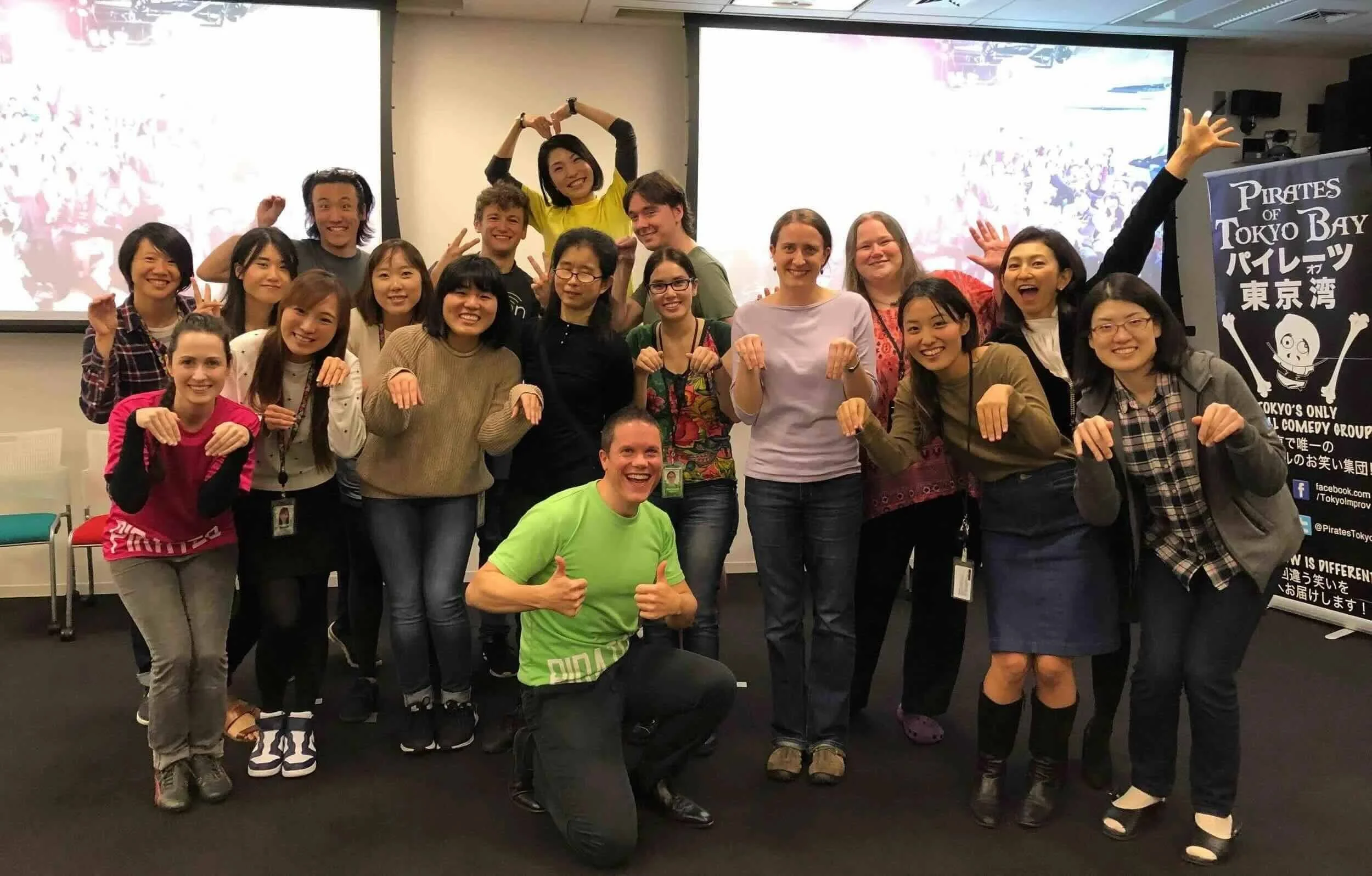
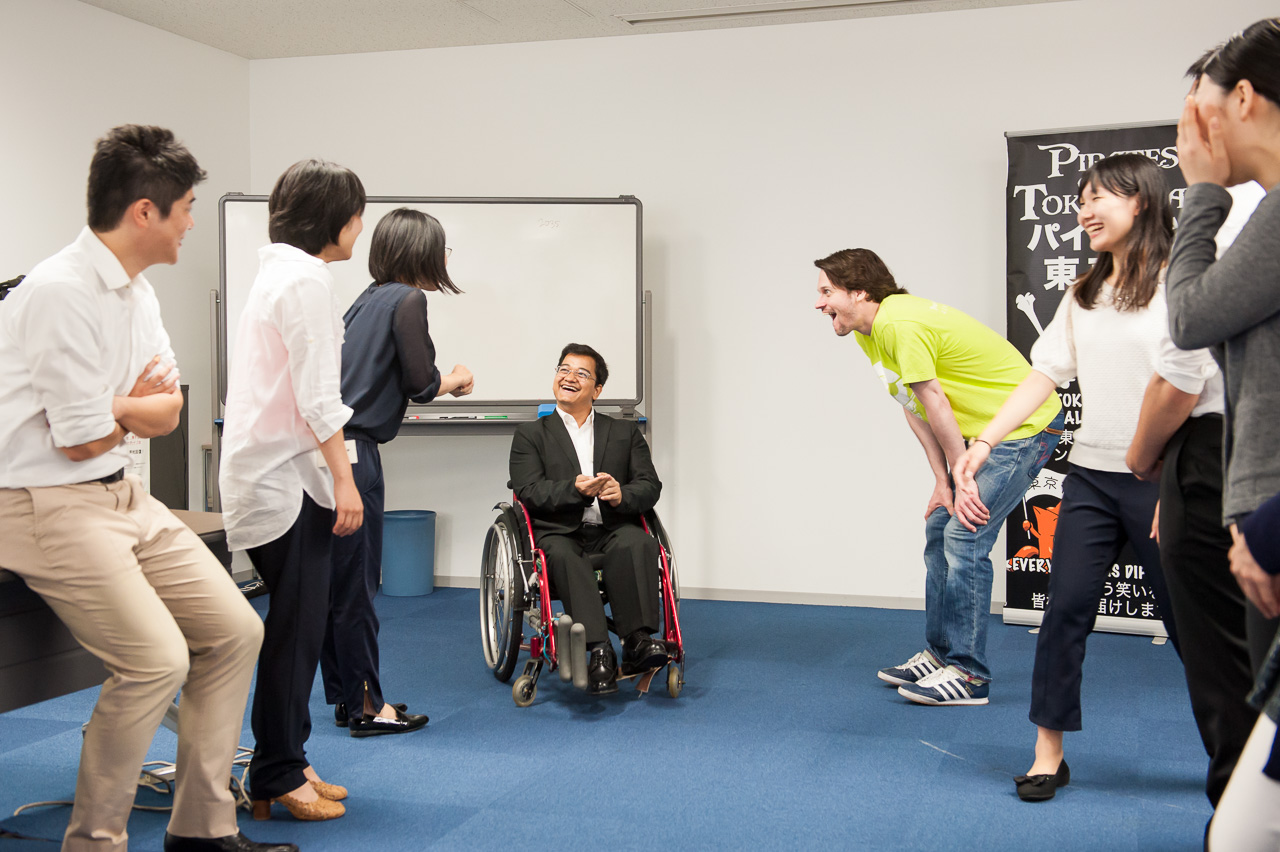
パイレーツ・オブ・東京湾が主催する東京のインプロクラスでウォームアップを楽しむ受講生たち

「面白くないとダメですか?」

いいえ。インプロは「面白い人」のためのものではありません。相手の話を聴き、アイデアを受け入れ、一緒に何かを作り上げる——その過程で自然と笑いが生まれます。 

「もっと早く始めればよかった」——これが、初回クラスの後に一番多く聞く言葉です。

「日本語(または英語)に自信がないのですが…」

クラスはメンバーの言語構成に合わせて、日本語と英語で柔軟に対応します。どちらか一方の言語しかわからなくても、安心して参加してください。インプロは言葉だけでなく、身体表現や感情、意図で伝え合うパフォーマンスです。セリフなしで爆笑を生んだシーンは数え切れません。

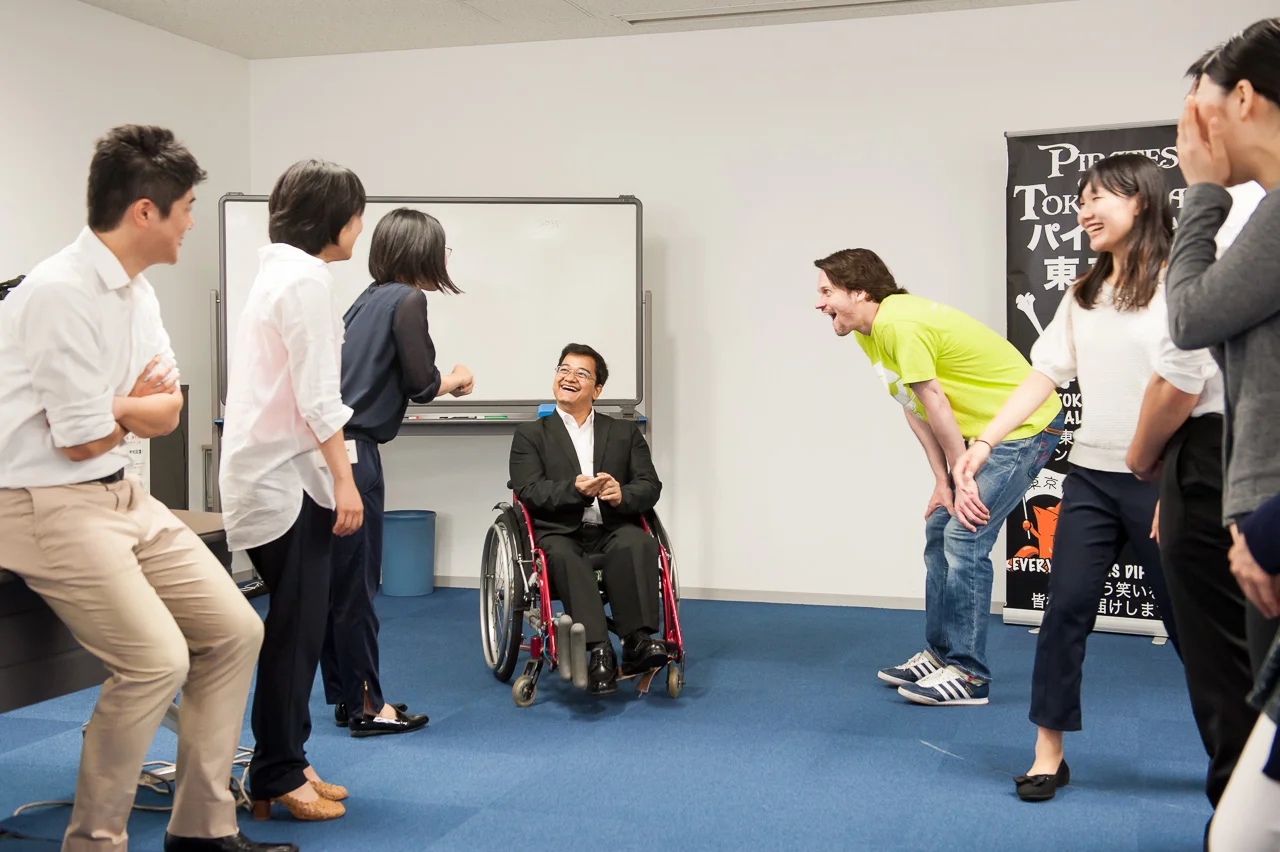
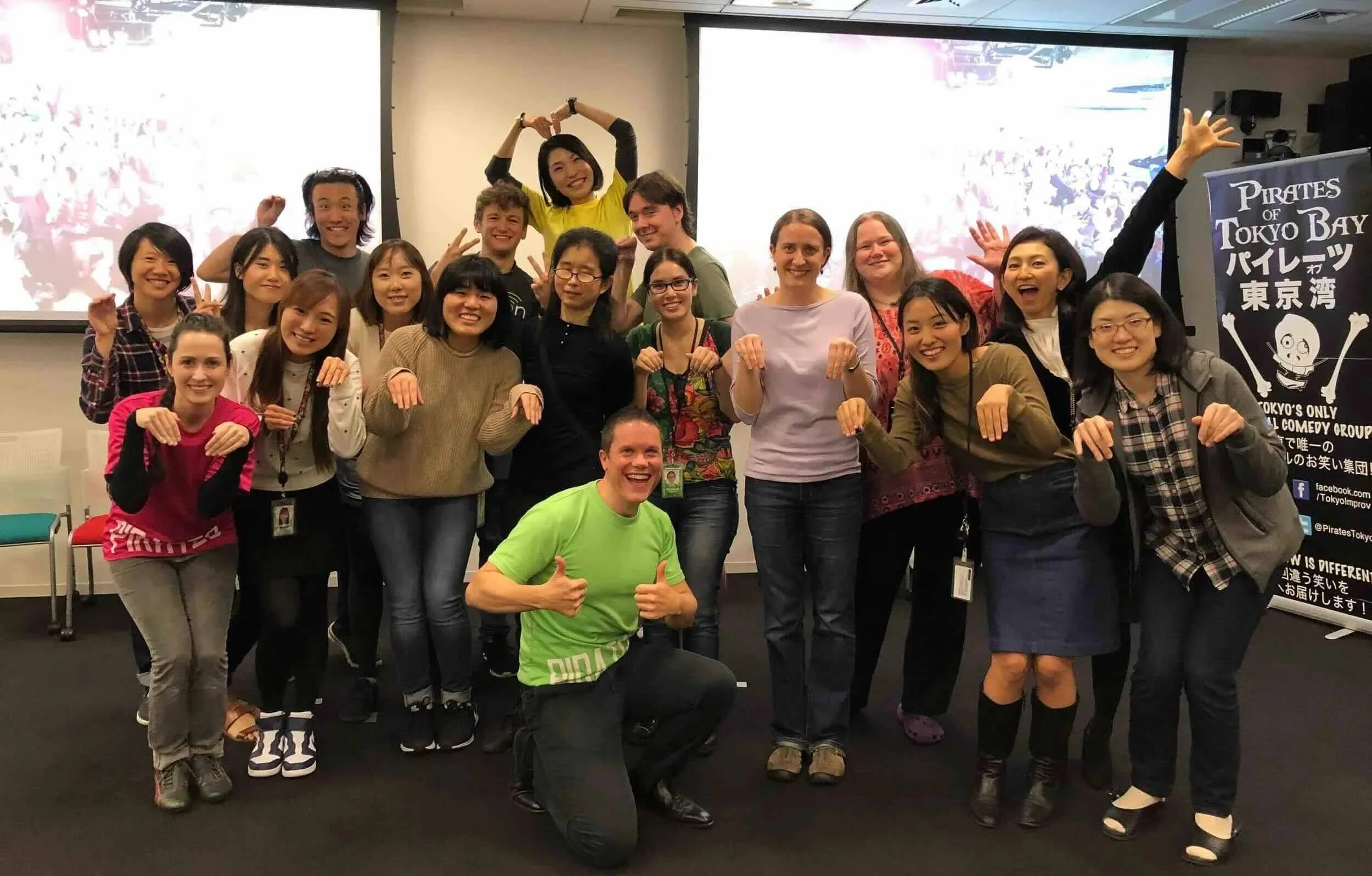
東京の日本語と英語の即興コメディクラスでグループシーンを練習する初心者たち

クラス詳細

  • 場所:東京(詳細は追って発表)

  • スケジュール:週1回(全5回)、各2時間

  • 言語:日本語と英語(クラスの構成に合わせて対応)

  • 最低人数:5名(5名未満の場合、開講を延期することがあります)

  • 最大人数:15名

  • お支払い:銀行振込。登録後1週間以内に全額をお振り込みください。

  • 講師マイク・スタッファービル・ライリークリスティアーン・ブリュー


申し込み・お問い合わせ

各レベル定員15名です。こちらからお申し込みください。ご質問は info@japancomedy.com までお気軽にどうぞ。


インプロを実際に見てみたい方へ——パイレーツ・オブ・東京湾は毎月恵比寿のWhat the Dickens!で公演中。チケット2,500円(1ドリンク付)。クラスの前にライブを観に来る

Improv Classes Are Back in Tokyo: Learn Comedy, Build Confidence, and Make Friends

Pirates of Tokyo Bay is reopening its Improv University - a series of improv comedy classes in Tokyo designed for anyone who wants to build confidence, sharpen communication skills, and have a ridiculously good time doing it. Classes are taught in English and Japanese and welcome complete beginners. No acting experience, no comedy background, no fluency requirements. If you can show up and say "Yes, And," you're ready.

Why Take Improv Classes in Tokyo?

If you've ever thought about trying acting classes, a public speaking course, or even just finding a new way to meet people in Tokyo, improv is the answer to all three - and it's more fun than any of them.

Improv comedy teaches you to listen, react, and create in the moment. There's no script, no memorization, and no wrong answers. You learn by doing, alongside a group of people who are all figuring it out together. That shared vulnerability is what makes improv classes one of the best ways to form genuine friendships in a new city.

For expats and internationals in Tokyo, improv solves a specific problem: it gives you a regular, social, creative outlet that doesn't revolve around drinking or networking events. You'll leave every class feeling more energized and more connected than when you walked in.

The skills transfer everywhere. Past students have used what they learned in improv to crush job interviews, lead better meetings, give more engaging presentations, and simply become more comfortable in their own skin. One student told us improv class was "the best thing I did for my career that had nothing to do with my career."

What You'll Learn: Three Levels from Beginner to Stage

Beginner improv students celebrating with hands raised after Level 1 training 即興コメディ 初級トレーニング 東京 Pirates of Tokyo Bay

Level 1: Learn the Fundamentals

Your starting point. No experience needed - just show up ready to play. Over 5 weekly sessions, you'll learn the core principles: "Yes, And," building scenes from nothing, connecting with your scene partners, and finding the fun in every moment. By the end, you'll understand how improv works and why it feels so good.

Price: ¥25,000 / 5 weeks (2 hours per session)

Intermediate improv student smiling during Level 2 workshop 即興コメディ 中級ワークショップ 東京 Pirates of Tokyo Bay

Level 2: The Who, What & Where of Scenes

Building on Level 1, you'll dig deeper into scene technique: identifying and heightening patterns, finding character motivation, and discovering real creative inspiration on demand. This is where your improv starts to feel less like "exercises" and more like "performing." Level 1 completion required.

Price: ¥25,000 / 5 weeks (2 hours per session)

Advanced improv students putting hands together before their student show Level 3 即興コメディ 上級 生徒ショー 東京 Pirates of Tokyo Bay

Level 3: Advanced Characters + Student Show

The final level. Deep character work, emotional range, and stagecraft - all building toward a live student showcase in Tokyo with your classmates. You'll perform for a real audience, with real laughs, in a real venue. It's terrifying and exhilarating and you'll never forget it. Level 2 completion required.

Price: ¥35,000 / 5 weeks (2 hours per session, includes graduation show)

Who Teaches These Classes?

Your instructors are members of Pirates of Tokyo Bay, Tokyo's premier English and Japanese improv comedy group. The Pirates have been performing since 2010 and have represented Japan at international improv festivals in over 10 countries - including the USA, Philippines, Hong Kong, China, Singapore, Malaysia, Germany, and Australia.

Director Mike Staffa's improv training curriculum is also featured on GLOBIS Unlimited, Japan's leading MBA platform. You're not learning from hobbyists - you're learning from performers and trainers who do this professionally.

Students laughing during a warm-up exercise at a Tokyo improv comedy class run by Pirates of Tokyo Bay

"But I'm Not Funny"

Good news: you don't need to be. Improv isn't about being the funniest person in the room. It's about listening to your partner, supporting their ideas, and building something together. The laughs come naturally when you stop trying to be clever and start being present.

The most common thing we hear from students after their first class is: "I can't believe I waited so long to try this."

"But My Japanese (or English) Isn't Great"

Classes are conducted in English and Japanese, adapted to the group's composition. You don't need to be fluent in both languages - or either language, honestly. Improv uses physicality, emotion, and intention as much as words. Some of the funniest scenes ever performed by the Pirates had zero dialogue. You'll be fine.

Beginners practicing a group scene during an English and Japanese improv class in Tokyo

Class Details

  • Schedule: Once per week for 5 weeks, 2 hours per session

  • Language: English and Japanese (adapted to class composition)

  • Minimum class size: 5 students

  • Maximum class size: 15 students

  • Payment: Bank transfer (furikomi), due within 1 week of registration

  • Instructors: Mike Staffa, Bill Reilly, Christiane Brew

Ready to Try It?

Spots are limited to 15 per level. Register your interest here or email info@japancomedy.com with any questions.

Want to see what Pirates improv looks like before you sign up? We perform monthly at What the Dickens! in Ebisu - tickets ¥2,500 with your 1st drink free. Show info and tickets →