Not an Actor? Why Teachers, Techies, and Marketers Make the Best Improv Comedians

You don't need an acting background to be great at improv comedy. The skills that make someone effective in a classroom, a sprint planning meeting, or a client pitch -- thinking on your feet, reading the room, adapting in real time -- are exactly the skills that drive a strong improv scene. The Pirates of Tokyo Bay, Tokyo's English and Japanese improv comedy group, are holding open auditions on July 5th, 2026. No stage experience required.

Your Day Job Already Trained You for This

Most people assume improv performers come from theater or comedy backgrounds. Some do. But in the Pirates of Tokyo Bay, you'll find software engineers, English teachers, product managers, researchers, and salespeople. What they have in common isn't acting training. It's a set of workplace instincts that happen to translate directly to the stage.

Here's the thing about improv: it isn't about being the funniest person in the room. It's about listening, reacting, and building on what someone else gives you. If you've ever redirected a meeting that went off the rails, fielded an unexpected question from a student, or pivoted a pitch when the client's mood shifted, you've already done improv. You just did it in business casual.
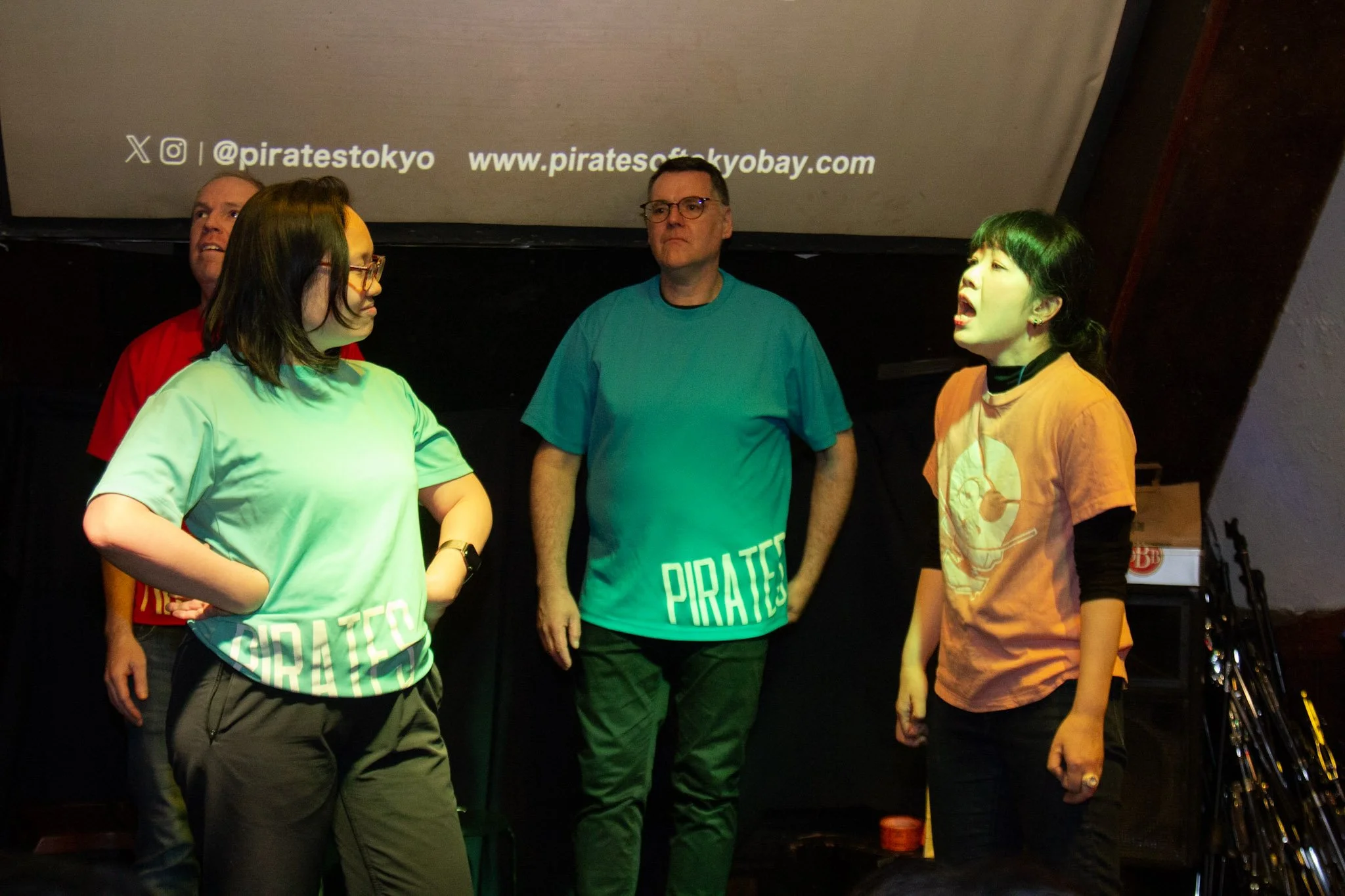
Non-professional performers from everyday careers performing improv comedy on stage with Pirates of Tokyo Bay

The Skill Translation: What You Already Bring

Teachers are natural scene partners. Years of managing a room full of unpredictable humans means you can read energy, hold attention, and adjust your delivery on the fly. You already know how to make complex things simple and how to use physicality and voice to keep people engaged. On our stage, those instincts make you magnetic.

Engineers and tech workers bring structured thinking to chaos. Improv scenes can spiral without someone who instinctively builds logic into an absurd premise. The developer who debugs by isolating variables? That's the same brain that grounds a scene when the alien dentist subplot is going sideways. Tech workers also tend to be comfortable with failure, which is half the battle in improv -- you try something, it breaks, you iterate.

Marketers and salespeople understand audiences. You already spend your days figuring out what resonates with people, crafting narratives on the spot, and reading body language across a table. In improv, that translates to knowing when a scene needs a sharper offer, when the audience is leaning in, and when it's time to end on a high note.

Project managers are the unsung heroes of ensemble comedy. You know how to keep five things moving at once without anyone noticing the coordination. Group scenes, where six performers need to create coherent comedy without a director, are basically a standup meeting with more jazz hands.

But I've Never Been on a Stage

Pirates of Tokyo Bay cast member photo showing member from diverse professional background in Tokyo

Neither had half our cast before they joined. One of our members hadn't performed anything since a school play at age twelve. Another's only "stage experience" was karaoke. What they shared was curiosity, a willingness to look silly, and a job that had quietly sharpened the exact skills improv rewards.

The gap between "I could never do that" and "I can't believe I just did that" is smaller than you think. Improv has a structure. There are games with rules, techniques you can learn, and a supportive ensemble that wants you to succeed. It's not about being fearless -- it's about being willing.

If you've ever thought of improv as a creative outlet, a way to practice public speaking in a low-stakes environment, or just something radically different from your Monday-to-Friday, this is the entry point.

What the Pirates Actually Do

We perform monthly at What the Dickens! pub in Ebisu. The shows are in English and Japanese -- audience members shout suggestions in either language, and the cast builds scenes from whatever lands. You don't need to speak both languages. Some of our performers only speak one, and they're brilliant.

Practices are every Sunday. The vibe is rigorous but fun -- we push each other, try new formats, and debrief what works. It's a craft, not a hangout, but nobody's going to yell at you for dropping a scene. We're a volunteer group of people who genuinely like making each other laugh.

Audition Details

  • Date: Sunday, July 5th, 2026

  • Time: 1:00 PM -- 4:30 PM

  • Place: Tokyo Comedy Bar -- 3rd floor, The Renga Bldg, 1-5-9 Dogenzaka, Shibuya, Tokyo 150-0043 (Google Maps: https://maps.app.goo.gl/bT8s7Wv8YjrvBGTe8)

  • Cost: Free

  • What to bring: Comfortable clothes, something to write with, a drink, and an open mind

  • What NOT to bring: Prepared material -- this is improv, we'll figure it out together

We walk you through everything during the audition. No prior improv knowledge needed. We're evaluating how you play with others, how you handle the unexpected, and whether your energy fits the crew.

See the Show Before You Decide

Our last show before auditions is June 28th (Sunday) at 7:30 PM at What the Dickens! in Ebisu. Your ticket includes one free drink. Attending has zero impact on your audition -- it's just a chance to see the chaos up close and decide if it's your kind of chaos.

Show details: https://www.piratesoftokyobay.com/shows

Ready to Translate Your Skills to the Stage?

The audition application takes about five minutes. We hold auditions once a year, so if you've been sitting on the idea, this is it.

Apply now: FIll out this Google Form to Registger

Full audition details: Get more details about our open improv auditions

Your job taught you everything you need. We'll teach you the rest. See you July 5th.

  • Absolutely. Improv trains you to think on your feet, structure ideas quickly, and stay calm when things go off-script. Many of our members say it directly improved their confidence in meetings, presentations, and client interactions.

  • Practices are every Sunday for about two hours, and we perform on the last Sunday of each month in the evening. Most of our cast members have full-time jobs. The weekly commitment is real but manageable -- think of it as a regular fitness class for your brain.

  • Some of our strongest performers are introverts. Improv rewards listening and observation just as much as big energy. Quiet players who make sharp, well-timed choices often steal the show. There's space for every style on our stage.

  • No pressure at all. The audition itself is a fun, low-stakes workshop experience. You'll learn improv games, play with the group, and walk away with new skills regardless of the outcome. Think of it as a free improv taster session.

ドルトムントから恵比寿のステージへ:マイア クララ

マイア クララとは? マイア クララ(Clara Meier)は、ドイツ・ドルトムント出身の即興コメディパフォーマーで、東京を拠点に活動する日本語と英語の即興コメディグループ「パイレーツ・オブ・東京湾」のメンバーです。2024年にグループに加入し、恵比寿のWhat the Dickens!で毎月行われる公演に出演しています。グループ結成15周年の記念ブログ記事の執筆者でもあり、ステージ上では大胆なキャラクター作りと鋭い感情表現で知られています。

Clara Meier on stage at the Pirates of Tokyo Bay What the Dickens! show in Ebisu Tokyo

プロフィール

  • 名前: マイア クララ(Clara Meier)

  • 出身: ドイツ・ドルトムント

  • 加入年: 2024年

  • 好きなインプロゲーム: チェーン・マーダー・ミステリー

  • 東京で好きな食べ物: たい焼き(カスタードクリーム入り)

  • 隠れた特技: ゲームボーイ版「ロックマン Dr.ワイリーの逆襲」の最終ステージをクリアできること

  • Instagram: @claraidoskop

クララとインプロの出会い — そして、あと一歩が踏み出せなかった話

クララが初めてインプロに触れたのは、ドイツでのこと。お母さんがクリスマス・スペシャルショーのチケットを買ってきてくれたのがきっかけでした。出演していたのは、地元のインプログループ「Emscherblut」。「あれは本当に魔法みたいだった」と彼女は振り返ります。でも、自分がやる側になるとは、当時は思ってもいませんでした。

それから数年後、東京で暮らし始めたクララは、何か創造的なことをしたいと思うようになりました。Meetupアプリでインプロのグループを見つけたものの、怖くて何ヶ月も参加できなかったそうです。でもある日、ついに最初のクラスに足を運びました — そして、一瞬で夢中になりました。

その道がやがてパイレーツ・オブ・東京湾へとつながり、今では毎月恵比寿のステージで日本語と英語の即興コメディを披露しています。

会場が一番沸いた瞬間

インプロバイザーに「ステージで一番面白かった瞬間は?」と聞くと、文脈なしでは意味不明な話が返ってきます。クララの場合もまさにそうです。

ある日のゲーム「返品不可」で、マイク(グループのディレクター)がお店にやってきて「子ども」を返品しようとしました。クララと仲間のボブは店員役。クララのキャラクターは激怒 — 「子どもを返品するなんてどういうことですか!?」と詰め寄ります。マイクとボブが「なんでそんなに感情的になってるの?」と聞くと、クララは考える間もなくこう叫びました:

「だって私も同じ目に遭ったんだから!!」

会場は大爆笑。

これがインプロの醍醐味です。台本なし、打ち合わせなし。その瞬間を信じるしかない — クララはそれができるパフォーマーです。

ショー前のルーティン

クララには独自のショー前ルーティンがあります。練習に向かう電車の中でインプロ系ポッドキャストを聴くこと。お気に入りは「Welcome to the Magic Tavern」「Off Book」、そして「Conan O'Brien Needs a Friend」。「頭を良い状態に持っていけるんです。リラックスして、遊び心全開で、何にでもYesと言える準備ができる」と彼女は言います。

パイレーツが変えたもの

クララは、パイレーツに入ったことが東京での生活をどう変えたか、ブログでもオープンに綴っています。15周年記念の記事では、このグループをただのコメディ団体ではなく、コミュニティであり、サポートシステムであり、自分が予想もしなかった形で成長できる場所だと表現しました。

「世界最大の都市に住んでいても、ここでの生活は実はとても孤独になりがちです」と彼女は書いています。「だからこそ、自分の居場所 — 成長して花を咲かせられるコミュニティ — を見つけることが大切なんです。」

このメッセージは観客にも響きます。外国人でも、観光客でも、語学学習者でも、地元の東京人でも、パイレーツのショーはみんなが一緒に笑える場所です。英語がわからなくても楽しめます。日本語が得意でなくても大丈夫です。

クララのステージを観に来てください

クララはパイレーツ・オブ・東京湾の毎月の公演で、恵比寿のWhat the Dickens!(渋谷から1駅!)に出演しています。台本なし、予測不能——東京で面白い体験を探しているなら、恵比寿のパイレーツのショーへ。

次回公演: スケジュールページで公演日をチェック! チケット: 2500円(1ドリンク付き!) — ショー情報・チケットはこちら

グループについてもっと知りたい方はショー情報ページへ。2010年からステージに参加したゲストパフォーマー一覧もご覧ください。

👉 チケット購入 👉 公演スケジュール

Read this article in English → English version

社会人の新しい挑戦:東京で即興コメディコミュニティに参加すべき3つの理由

東京で社会人サークルや新しいコミュニティを探しているなら、即興コメディ(インプロ)は意外な答えかもしれません。パイレーツ・オブ・東京湾は毎週日曜日に練習し、毎月恵比寿のWhat the Dickens!で公演している日本語と英語の即興コメディグループです。台本なし!予測不能。それでいて、メンバーが口を揃えて語るのはコメディの話ではなく、ここで出会った仲間の話です。2026年7月5日に渋谷でオーディション開催。未経験OK、参加無料。

理由1:「知り合い」ではなく「仲間」ができる

東京に住んでいると、人との出会い自体は多いのに、なぜか深い友人関係に発展しにくいという矛盾にぶつかります。

飲み会で名刺を交換する。イベントでLINEを交換する。でも、その後何回会いましたか? 1回か2回集まって、やがてメッセージのやり取りもフェードアウト。「また今度」が永遠に来ない。東京あるあるです。

即興コメディが違うのは、「毎週日曜日に同じ人たちと一緒に何かを作る」という構造があることです。ネットワーキングの場ではなく、共同作業の場。台本なしのシーンを一緒に作り、失敗を共有し、笑い合う。これは飲み会の延長では絶対に起きない種類のつながりを生みます。

パイレーツ・オブ・東京湾のメンバーは会社員、エンジニア、教師、研究者、ミュージシャンなど、バックグラウンドは本当にさまざまです。年齢は20代から50代まで。日本語ネイティブのメンバーも、海外出身のメンバーもいます。共通しているのは経歴や国籍ではなく、「毎週日曜日にここに来る」ということだけ。

新しいコミュニティに参加したいけど、表面的な交流で終わるのが嫌だ。そう感じている社会人にこそ、この場所を知ってほしいのです。

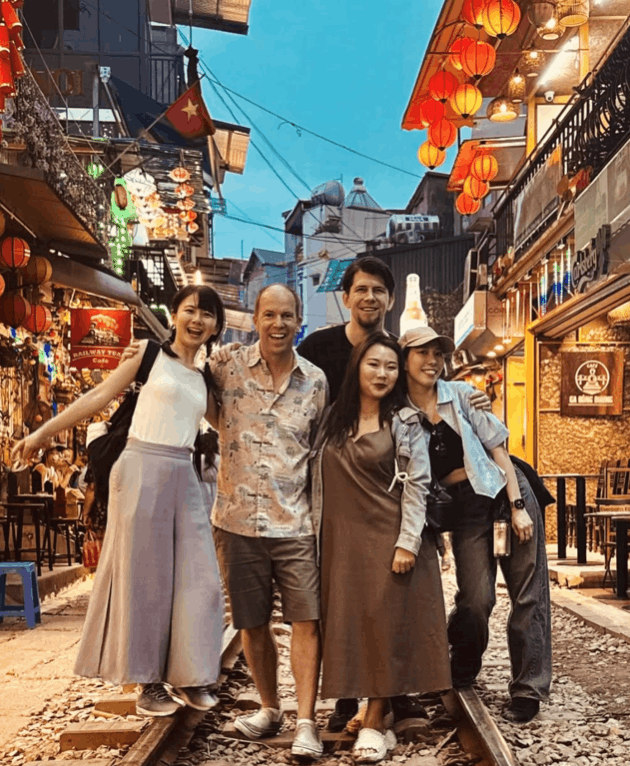
恵比寿の月例ショー前に舞台裏で絆を深めるパイレーツ・オブ・東京湾の多国籍キャスト

理由2:仕事では使わない「自分」に出会える

月曜から金曜、私たちは「役割」の中で生きています。会議での発言は計算するし、メールの一語一句に気を遣う。それが大人の社会で、別に悪いことではありません。でも、週末までその延長で過ごしていたら、「自分って本当は何が好きなんだっけ?」と思う瞬間が来ます。

即興コメディの練習は、その感覚をリセットしてくれます。

具体的にはこうです。毎週日曜の夕方、新宿エリアに集まって約2時間の練習。最初の20分はウォームアップ。大声を出す。体を動かす。意味のないことをする。月曜から金曜の「ちゃんとしている自分」が、ゆっくり剥がれていきます。

その後はシーン練習やゲーム。台本はないので、自分の直感だけが頼り。「何を言えば正解か」ではなく「今この瞬間に何が浮かんだか」で動く。これは仕事とは真逆の頭の使い方で、だからこそリフレッシュ効果が大きい。

英語がわからなくても楽しめる環境です。練習もショーも日本語と英語の両方で進行するので、片方の言語だけで全く問題ありません。逆に、英語を使う趣味を東京で探している人にとっては、テキストを読むだけの英会話教室よりもはるかに実践的な場になります。

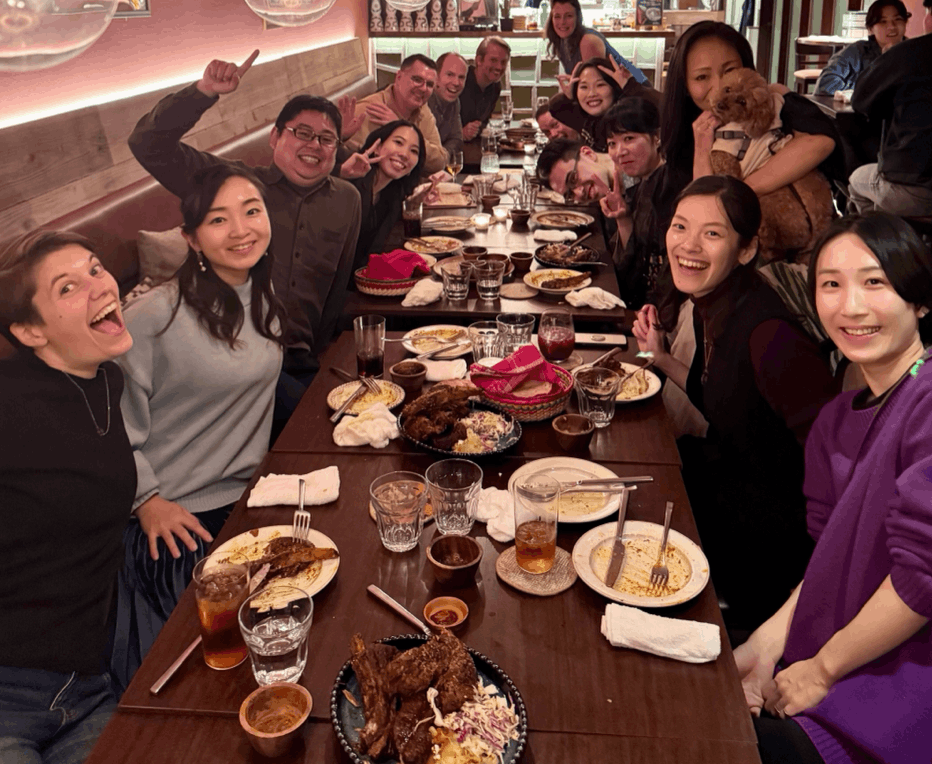
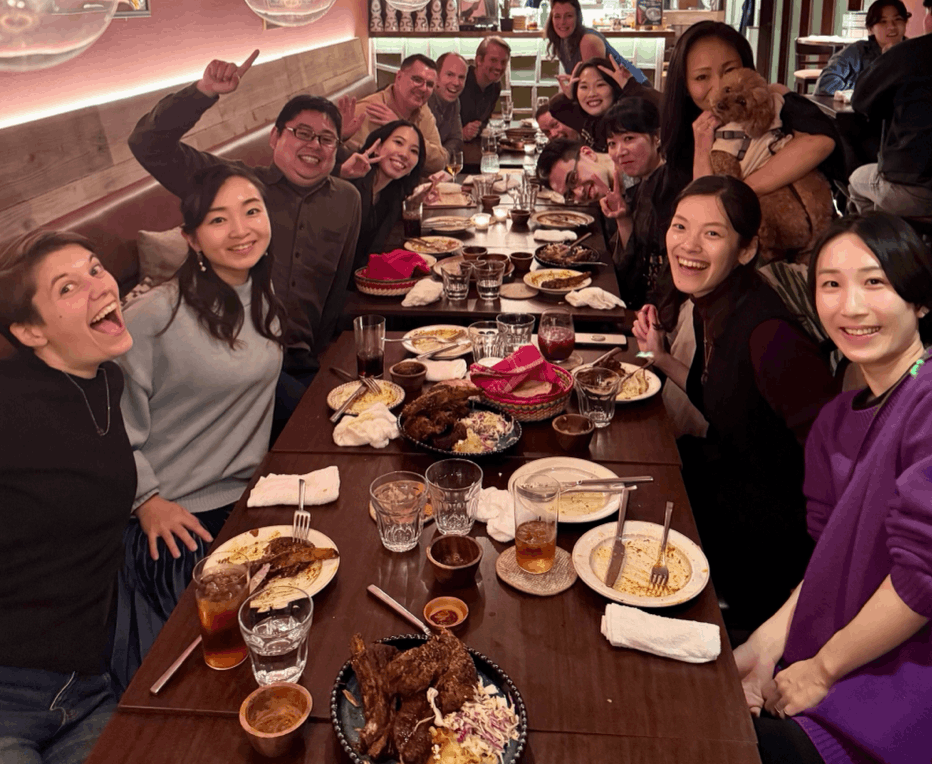
日曜日の即興コメディ練習後に笑い合うパイレーツ・オブ・東京湾のメンバーたち

理由3:「観客を笑わせる」という体験は、想像以上に効く

恵比寿のWhat the Dickens!で毎月開催しているライブの話をします。

お客さんは日本人も外国人もいます。カップル、友人同士、一人で来る人、たまたま入った観光客。英語と日本語のコントが次々に展開されていく中で、客席のどこかから笑い声が上がる。その笑いを、自分たちが即興で作った。

この感覚は、他の趣味ではなかなか味わえません。

マラソンを完走する達成感とも違うし、旅行の非日常感とも違う。「目の前の人間が、自分がたった今作ったものに反応して笑っている」というリアルタイムのフィードバック。これは面白い体験として東京で他に類を見ないものだと、メンバー全員が言います。

そして、この経験は仕事にも確実に波及します。人前で話すことへの恐怖が減る。想定外の質問にアドリブで対応できるようになる。相手のアイデアを否定せずに受け止める力がつく。社会人のスキルアップという観点でも、インプロは極めて実践的です。

休日の過ごし方を変えてみませんか

土日にNetflixを見て終わる週末を、何か月も繰り返していませんか。「何か新しいことを始めたい」と思いながら、結局スマホをスクロールして月曜を迎える。

パイレーツ・オブ・東京湾のオーディションは、その循環を断ち切る入口です。

日時: 2026年7月5日(日)第1部 12:00〜14:00 / 第2部 14:15〜16:15

場所: 東京コメディバー(渋谷区道玄坂1-5-9 ザ・レンガビル 3F)

参加費: 無料

経験: 不問

申し込みはこちら: https://forms.gle/CrJg5D9VVCrmNcMS7

オーディション詳細ページ: https://www.piratesoftokyobay.com/auditions

まずショーを観てみたい方へ: オーディション前最後のライブは6月28日(日)19:30〜、恵比寿What the Dickens!にて。チケットには1ドリンク無料サービス付き。 https://www.piratesoftokyobay.com/shows

年に一度のチャンス。次の面白い日曜日は、ここから始まります。

  • はい。即興コメディは毎週同じメンバーと台本なしのシーンを一緒に作る活動です。飲み会やイベントとは違い、共同作業と失敗の共有を通じて自然に深い関係が生まれます。パイレーツ・オブ・東京湾のメンバーの多くが、入って数か月でグループを東京で一番親しいコミュニティと感じるようになったと語っています。

  • もちろんです。現メンバーの中にも、東京に引っ越してすぐにオーディションを受けた人が何人もいます。毎週日曜日に同じ人たちと顔を合わせることで、知り合いゼロの状態から短期間で仲間ができます。新しいコミュニティへの参加を考えている方にとって、最も効率の良い方法の一つです。

  • 日本人メンバーも外国人メンバーもいる混合グループです。公演は日本語と英語の両方で行い、練習もその構成を反映しています。日本に長く住んでいる方も、最近来日した方もいます。国籍に関係なく、東京で社会人サークルを探している方に向いています。

  • はい。メンバー同士で食事や外出など、即興以外のイベントも定期的に行っています。また、年間を通じて東京周辺のフェスティバルや特別イベントに出演する機会もあり、通常の月例ライブ以外の活動も充実しています。日曜の夜だけでは終わらない交流があります。

More Than Comedy: Why Joining an Improv Group in Tokyo Will Change Your Weekend

Joining an improv comedy group in Tokyo is one of the fastest ways to build genuine friendships, fill your weekends with something meaningful, and find an English-speaking community that also includes Japanese speakers. Pirates of Tokyo Bay practices every Sunday evening and performs monthly at What the Dickens! pub in Ebisu. Open auditions are July 5th, 2026, at Tokyo Comedy Bar in Shibuya. No experience is required.

Tokyo Is Full of People. Finding Your People Is the Hard Part.

You moved to Tokyo, or maybe you have lived here your whole life, and at some point the same realization hit: this city has 14 million people and somehow your social circle is five coworkers and whoever you bump into at the convenience store.

The usual advice is predictable. Language exchange meetups. Hiking groups. Bar crawls. They work for some people, but for a lot of us, those environments never quite cross the line from "pleasant strangers in the same room" to actual friendship. You show up, make small talk, exchange LINE contacts, and then life gets busy and you never actually see them again.

What makes improv different is the mechanism. You are not networking. You are not trying to make a good impression. You are standing in a room with other people, making each other look good, failing together, and laughing about it. That creates a bond that small talk simply cannot.

The Pirates of Tokyo Bay have been performing English and Japanese improv comedy in Tokyo since 2010. But the thing our members talk about most is not the shows. It is the Sundays.

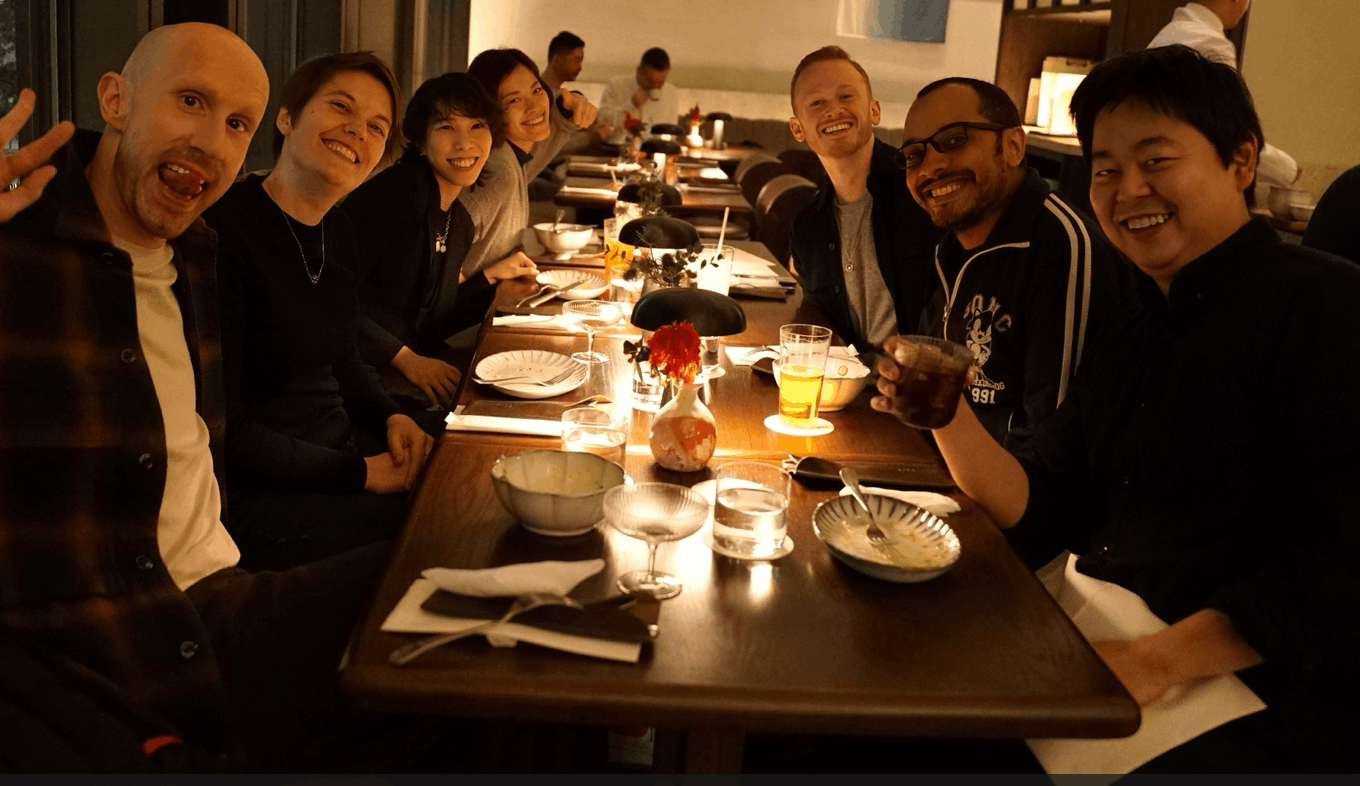
Pirates of Tokyo Bay members hanging out and laughing together after Sunday improv practice in Tokyo

What Actually Happens on a Sunday

Every Sunday evening, our cast meets in the Shinjuku area for a two-hour practice. Here is what that looks like in reality:

You walk in. Someone hands you a coffee or a beer. There is a whiteboard with tonight's plan: maybe a new game the director wants to test, a revisit of something that worked well at last month's show, or a focused drill on a specific skill like physicality or emotional range.

The first 20 minutes are warm-ups. These are loud, physical, and intentionally silly. Their purpose is not fitness. Their purpose is to strip away the week. Whatever happened at work on Monday through Friday stops mattering the moment someone asks you to pretend to be a washing machine.

Then comes the work. Scenes, games, exercises, notes from the director, and a lot of repetition. It is not casual. The group takes the craft seriously. But "seriously" in improv means committing fully to a scene where you are an astronaut arguing with a talking cat about whose turn it is to do the dishes. The effort is real. The subject matter is absurd. That combination is what makes it addictive.

By the end of practice, you have spent two hours being fully present with a group of people. No phones. No multitasking. Just listening, reacting, and building something together. If you have ever struggled to "be in the moment" or find activities in Tokyo that do not involve a screen, this is the antidote.

The Friendships Are a Side Effect of the Work

Here is the part that is hard to explain until you experience it. Improv friendships are unusually deep for how quickly they form.

Diverse international cast of Pirates of Tokyo Bay bonding backstage before their show in Hanoi. Usually monthly shows in Tokyo.

The reason is structural. In improv, you are constantly making yourself vulnerable. You are saying things out loud that you did not plan. You are making choices in front of people without time to calculate whether those choices are "cool" or "smart." You see each other at your most unfiltered, every single week.

That is not how most social activities work. At a bar, you perform a version of yourself. At a language exchange, you are focused on getting the grammar right. In improv, the pretense drops almost immediately because the games force it to. There is no time to manage your image when you are halfway through a scene about a pirate who is terrified of water.

Our cast includes members who have been with the group for over a decade and members who joined last year. They are teachers, engineers, musicians, marketers, and researchers. Some are Japanese, some are from other countries. They range from their 20s to their 50s. What they share is not a background. It is a Sunday.

You Do Not Need to Be Funny. You Need to Be Present.

The biggest misconception about improv is that it requires you to be naturally hilarious. It does not. The core skill in improv is listening. The second most important skill is agreeing. The comedy is a byproduct of two people paying full attention to each other and building on whatever emerges.

If you have ever been told you are a good listener, or that you are the person who notices small details, or that you are calm in chaotic situations, you already have the foundation for improv. The "funny" part comes from the structure of the games, not from some innate talent.

This is also why improv works so well as a weekend activity for working professionals. The skills transfer directly. Better listening, faster decision-making, comfort with ambiguity, and the ability to build on someone else's idea rather than competing with it. Several of our members have told us that improv made them noticeably better at their day jobs, not because they learned jokes, but because they learned to react without overthinking.

Why This Group, Why This City

Tokyo has a handful of improv groups, comedy bars, and theater communities. What makes Pirates of Tokyo Bay different is the intersection of English and Japanese on the same stage, every show, every practice.

That matters because it mirrors what life in Tokyo actually feels like for most people. You are constantly switching between languages, between cultural codes, between ways of expressing yourself. Our shows embrace that reality instead of pretending it does not exist. And for our cast, it means practicing a skill that is genuinely useful: communicating clearly even when there is a language gap.

Our monthly shows at What the Dickens! in Ebisu draw a mixed crowd, couples, language learners, tourists, long-term residents, and people who just stumbled in because the pub looked interesting. It is a room where everyone is welcome, and the comedy works whether you understand every word or not.

The Practical Details

Practices: Every Sunday evening, Shinjuku area. About two hours. Shows: One Sunday per month, 7:30 PM, What the Dickens! pub in Ebisu. Commitment: This is a volunteer group. Everyone has a day job. But consistent Sunday attendance is how the group stays sharp and how you build those friendships. Cost: Practices are free for cast members. No membership fees.

Ready to Stop Scrolling and Start Showing Up?

Our next open auditions are Sunday, July 5, 2026 at Tokyo Comedy Bar in Shibuya, running in two gruops (Group 1: 12:00-2:00 PM / Group 2: 2:15-4:15 PM).

No improv experience required. No fee. No prepared material.

Apply now: https://forms.gle/CrJg5D9VVCrmNcMS7

Full audition details: Register for our open improv auditions

See us live first: Our last show before auditions is June 28th at What the Dickens! in Ebisu. Tickets include a free first drink. Monthly improv night

We hold auditions once a year. Your next interesting Sunday starts with this one.

  • Improv creates friendships faster than most social activities because the exercises require genuine vulnerability and collaboration. You are not making small talk — you are building scenes together, failing together, and supporting each other in real time. Pirates of Tokyo Bay members consistently describe the group as their closest social circle in Tokyo, often within just a few months of joining.

  • That is one of the best times to join. Many of our current members auditioned shortly after arriving in Tokyo specifically to build a social network. The group practices every Sunday, which means you immediately have a weekly commitment with the same people, and that consistency is what turns acquaintances into real friends.

  • The cast is a genuine mix. Some members are Japanese, some are from other countries, and some have lived in Japan for decades. The group performs in English and Japanese, and practices reflect that same mix. If you are looking for a community that bridges the expat and local divide, this is one of the few in Tokyo that does it naturally.

  • Yes. The cast regularly gets together outside of improv for dinners, outings, and other events. The group also performs at festivals and special events around Tokyo throughout the year, which adds variety beyond the regular monthly schedule. The social life of the group extends well past Sunday evenings.